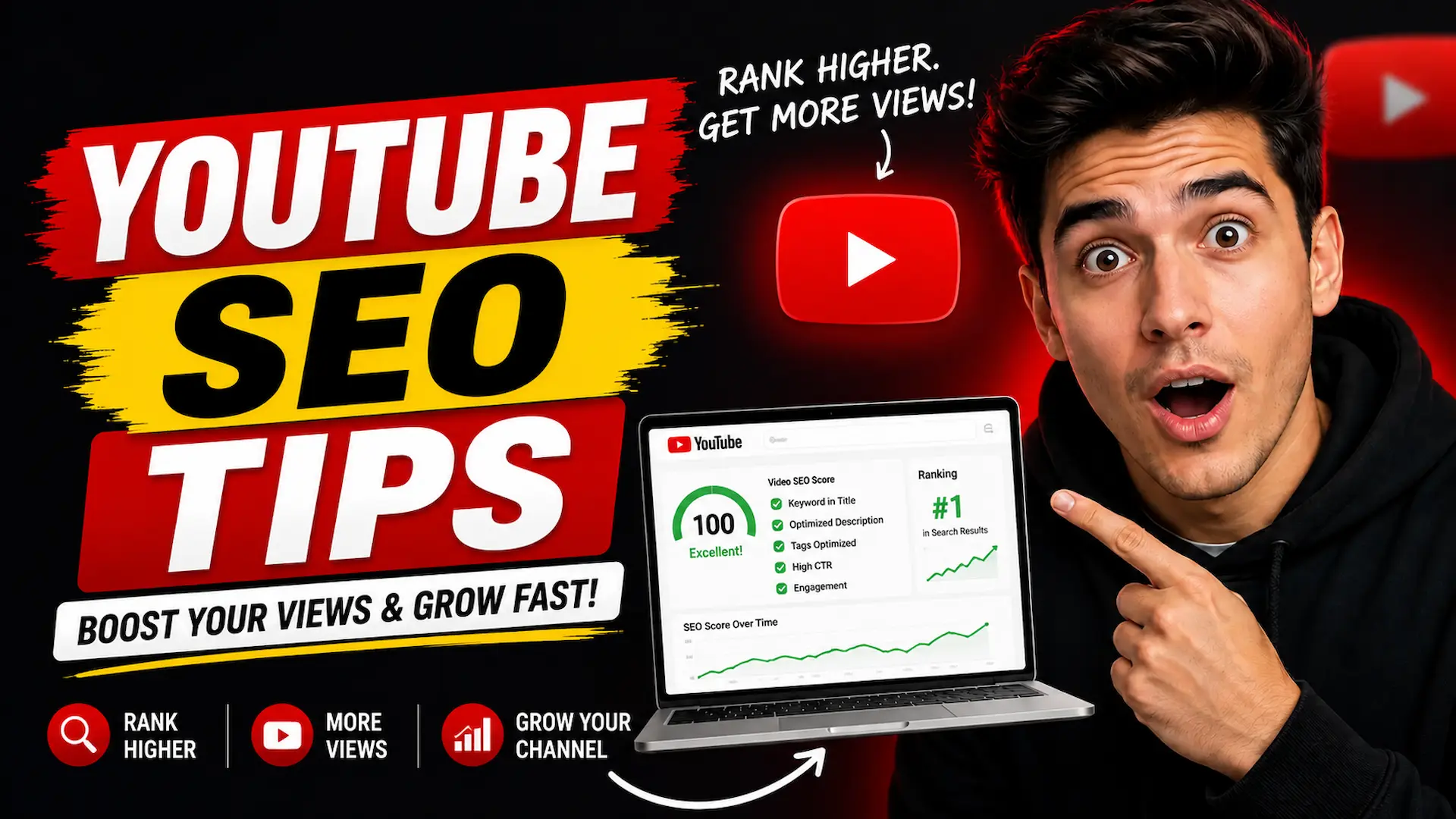
YouTube SEO Tips: Complete Beginner Guide to Grow Faster

You can rank better on YouTube by focusing on clear titles with keywords, strong thumbnails, good video descriptions, captions, and high audience retention. Create valuable content consistently, understand what your viewers want, and optimize every video properly.
YouTube SEO is the process of optimizing your videos so they appear higher in YouTube search results, suggested videos, homepage recommendations, and Google search. Good YouTube SEO helps creators get more views, increase watch time, grow subscribers, and build long-term channel authority.
Many beginners believe YouTube growth depends only on luck or viral hits, but successful creators know that smart optimization plays a huge role. When your videos are properly optimized, YouTube can better understand what your video is about, who should watch it, and which audience will enjoy it most.
Modern YouTube SEO goes far beyond just adding tags. The platform now analyzes video titles, thumbnails, captions, spoken words, audience behavior, retention, engagement signals, and topic relevance. The best strategy combines strong content, clear optimization, audience satisfaction, and consistency.
In this complete beginner guide, you will learn practical YouTube SEO tips for beginners, how the YouTube algorithm works, keyword research methods, title optimization, thumbnail SEO, captions and transcripts, semantic SEO strategies, ranking factors, and common mistakes to avoid.
Whether you create tutorials, gaming videos, Shorts, educational content, vlogs, or faceless videos, these tips will help your content reach more people and grow your channel faster.
What Is YouTube SEO?
YouTube SEO means optimizing your videos and channel so YouTube’s algorithm can understand and recommend your content more effectively. Good SEO helps videos appear in YouTube search, homepage recommendations, suggested videos, Google search results, and the Shorts feed.
The goal is not to trick the algorithm. The real goal is to help YouTube clearly understand your topic, your target audience, and the value your content provides. When YouTube understands your videos well, it shows them to the right people at the right time.
How the YouTube Algorithm Works
Before applying YouTube SEO tips, it’s important to understand how recommendations work. When you upload a video, YouTube first tests it with a small group of viewers. The platform then measures important signals like click-through rate (CTR), watch time, audience retention, comments, likes, rewatches, shares, and overall viewer satisfaction.
If viewers respond positively, YouTube recommends the video to more people. This creates a snowball effect. SEO alone is not enough it must work together with valuable content, strong thumbnails, high retention, and real viewer satisfaction.
Step 1: Choose One Clear Video Topic
One of the biggest mistakes beginners make is creating videos that try to cover too many unrelated topics. Good YouTube videos focus on one clear problem, one search intent, and one main topic.
For example, instead of making a broad video titled “Everything About YouTube,” create focused videos like:
- How to Start a YouTube Channel for Beginners
- Best Beginner Camera Setup
- How to Edit YouTube Videos
- YouTube Thumbnail Tips
Focused topics are much easier for YouTube to understand, categorize, and rank.
Step 2: Find the Right Keywords
Keywords help YouTube match your video with what people are searching for. Good keyword research reveals viewer questions, search demand, and content opportunities.
Best Ways to Find YouTube Keywords:
- YouTube Search Suggestions: Start typing in the YouTube search bar. YouTube shows popular real searches. For example, typing “how to edit” might suggest “how to edit YouTube videos” or “how to edit videos for beginners.”
- Study Competitor Videos: Search your topic and analyze top-ranking videos. Look at their titles, thumbnails, descriptions, and comments to find trending topics and content gaps.
- Use Keyword Research Tools: Tools like vidIQ and TubeBuddy show keyword volume, competition level, trending topics, and optimization suggestions.
Focus on keywords that have decent search volume but lower competition, especially as a beginner.
Understand Search Intent Before Creating Videos
One of the biggest YouTube SEO mistakes beginners make is targeting keywords without understanding why people search for them.
Every search has a purpose. Some viewers want:
- quick answers
- step-by-step tutorials
- comparisons
- entertainment
- reviews
- solutions to problems
This is called search intent.
If your video does not match the viewer’s intent, people will leave quickly even if your SEO is good.
For example:
Someone searching: “how to edit YouTube videos”
usually wants:
- beginner-friendly steps
- simple software recommendations
- screen tutorials
- practical examples
They do NOT want:
- complicated film editing theory
- advanced Hollywood workflows
- long introductions
Before creating a video, ask:
- What problem is the viewer trying to solve?
- What result do they want?
- Are they beginners or advanced users?
- What type of video format works best?
Matching search intent improves:
- audience retention
- watch time
- satisfaction signals
- rankings
YouTube rewards videos that solve viewer problems quickly and clearly.
Step 3: Optimize Your Video Title
Your title is one of the strongest YouTube ranking factors. A strong title includes the main keyword, creates curiosity, explains value clearly, and sounds natural.
Good YouTube Title Examples:
- How to Start a YouTube Channel for Beginners
- Best Free Video Editing Software
- YouTube SEO Tips That Actually Work for Beginners
- How to Grow a Faceless YouTube Channel Fast
Title Optimization Tips:
- Put the main keyword early in the title.
- Keep titles under 60-70 characters so they display fully in search results.
- Avoid keyword stuffing write for humans first.
- Make titles clear so viewers know exactly what they will get.
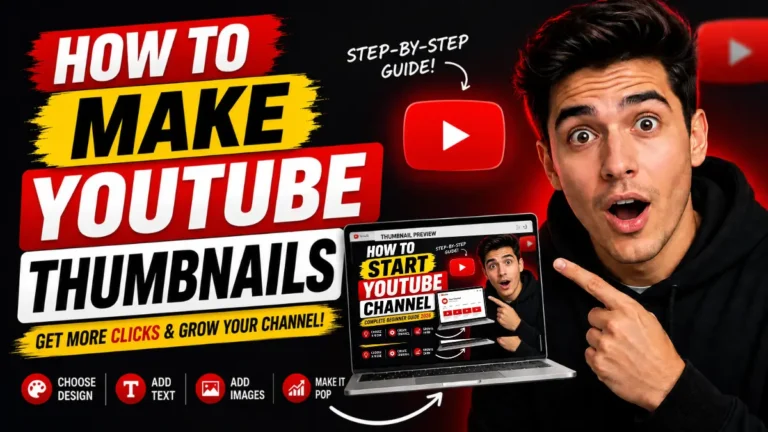
Step 4: Create High CTR Thumbnails
Your thumbnail directly affects click-through rate. Even great videos can fail with weak thumbnails.
Thumbnail SEO Tips:
- Use large, clear subjects that are easy to see on mobile.
- Add emotional expressions (surprise, excitement, curiosity).
- Use high-contrast colors like yellow + black or red + white.
- Keep text minimal 3 to 5 bold words maximum.
- Always design for mobile first and test on your phone.
Strong thumbnails increase CTR, which tells YouTube your video is worth recommending.
Step 5: Write Better Video Descriptions
Descriptions help YouTube understand your video’s topic and context.
Best Description Structure:
- First 150 characters: Include the primary keyword and a clear summary.
- Add supporting keywords naturally throughout.
- Include timestamps, links to related videos, and calls-to-action.
- Add relevant links, hashtags, and contact information at the end.
Example opening: “Learn practical YouTube SEO tips for beginners including title optimization, thumbnail design, keyword research, and retention strategies to rank higher and grow faster.”
Step 6: Add Captions and Transcripts
YouTube now heavily analyzes spoken words, captions, and transcripts. Accurate captions improve accessibility, understanding, and SEO.
Always upload or edit automatic captions. Clear speech and proper captions help YouTube better understand your content and connect it with relevant searches.
Step 7: Use Chapters Properly
Chapters make videos more user-friendly and improve retention and search visibility.
Example:
- 0:00 Introduction
- 1:20 Keyword Research Tips
- 4:50 Thumbnail SEO Strategies
- 8:30 Retention Techniques
Chapters help viewers jump to the information they need quickly.
Step 8: Improve Audience Retention
Audience retention is one of the most important ranking factors. If viewers leave early, recommendations drop.
How to Improve Retention:
- Start with a strong hook in the first 15 seconds.
- Remove long pauses, filler words, and slow sections.
- Add visual variety with B-roll, zooms, graphics, and overlays.
- Speak clearly and maintain good energy.
Improve Watch Session Time
YouTube does not only measure how long viewers watch one video. The platform also measures how long people stay on YouTube after watching your content.
This is called session watch time.
If your videos encourage viewers to continue watching more videos, YouTube sees your content as valuable.
Ways to improve session watch time:
- link related videos
- create playlists
- mention other helpful videos naturally
- use end screens strategically
- build content clusters around similar topics
Example:
If someone watches your video about:
“How to Start a YouTube Channel”
you can guide them to:
- YouTube SEO Tips
- Thumbnail Design Guide
- Best Editing Software
- How to Get First 100 Subscribers
This keeps viewers inside your content ecosystem longer and improves overall channel performance.
Step 9: Build Semantic SEO Clusters
Modern YouTube SEO rewards topical authority. Create connected videos around the same topic instead of random uploads.
Example cluster:
- How to Start a YouTube Channel
- YouTube SEO Tips for Beginners
- Best Thumbnail Design Guide
- How to Edit YouTube Videos
- YouTube Algorithm Explained
This approach improves binge-watching, session time, and suggested video traffic.
Step 10: Optimize for Mobile Users
More than 70% of YouTube traffic comes from smartphones. Mobile optimization is essential.
Mobile SEO Tips:
- Use large elements in thumbnails and graphics.
- Add captions for silent viewing.
- Keep pacing energetic.
- Ensure all text is readable on small screens.
Step 11: Increase Engagement Signals
YouTube tracks comments, likes, rewatches, shares, and saves.
Ways to Boost Engagement:
- Ask genuine questions in your videos.
- Encourage natural comments.
- End with clear calls-to-action.
- Link to related videos in your channel.
Use YouTube Analytics to Improve SEO
YouTube Analytics helps creators understand:
- what viewers enjoy
- where viewers leave
- which thumbnails perform best
- which videos generate subscribers
Important metrics to track:
- Click-Through Rate (CTR)
- Average View Duration (AVD)
- Audience Retention
- Watch Time
- Returning Viewers
- Traffic Sources
If a video gets:
- high impressions
- low CTR
your thumbnail or title may need improvement.
If viewers leave early:
- improve your hook
- reduce slow intros
- improve pacing
The best creators constantly study analytics and improve their content over time.
Step 12: Upload Consistently
Consistency builds audience trust and strengthens recommendation signals. A realistic schedule (1-2 long videos per week + Shorts) works better than irregular uploads.
Optimize Your YouTube Channel for SEO
Video SEO matters most, but channel optimization also helps YouTube understand your niche.
Important channel optimization steps:
- use a professional channel name
- write keyword-rich channel descriptions
- organize playlists
- use consistent branding
- create channel keywords
- upload channel banners
- add featured videos
A well-optimized channel improves:
- authority
- binge watching
- audience trust
- topical relevance
This helps both viewers and YouTube better understand your content ecosystem.
Common YouTube SEO Mistakes
Beginners often:
- Stuff keywords unnaturally
- Ignore thumbnails and descriptions
- Upload random unrelated topics
- Use weak or clickbait titles
- Forget captions
- Create long, slow intros
- Quit before seeing results
Always combine SEO with great content and strong viewer experience.
Best YouTube SEO Tools
- vidIQ: Keyword research, SEO scoring, competitor analysis, trending topics.
- TubeBuddy: Keyword tools, title testing, bulk optimization.
- Canva: Professional thumbnails and graphics that improve CTR.
Best Time to Upload YouTube Videos
Upload timing does not directly guarantee rankings, but it can improve early engagement signals.
The best upload time depends on:
- audience location
- niche
- viewer habits
Most creators test:
- afternoons
- evenings
- weekends
YouTube Analytics eventually shows:
“When your viewers are online.”
Publishing when your audience is active may improve:
- early CTR
- comments
- watch time
- engagement velocity
Strong early performance can help videos gain momentum faster.
YouTube SEO Checklist Before Publishing
Before publishing a video, make sure you:
- include the primary keyword in the title
- create a strong thumbnail
- write a keyword-rich description
- add captions
- use chapters
- include tags naturally
- add end screens
- link related videos
- add playlist placement
- test mobile readability
Small optimization improvements can significantly increase long-term video performance.
Conclusion
YouTube SEO is a powerful way to rank higher and grow your channel faster. By optimizing titles, thumbnails, descriptions, captions, and focusing on retention, you give your videos the best chance to reach more viewers.
Remember: SEO works best when combined with consistent, valuable content that truly helps your audience. Start applying these YouTube SEO tips with your next video. Test, learn from analytics, and improve with every upload.
The creators who succeed long-term are the ones who treat YouTube as both a creative platform and a business. Stay patient, stay consistent, and keep optimizing. Your channel growth will follow.
Frequently Asked Questions
What is YouTube SEO?
YouTube SEO is optimizing videos, titles, thumbnails, descriptions, and channel content so videos rank better in search and recommendations.
How do beginners rank videos on YouTube?
Focus on clear keywords, valuable content, strong thumbnails, good retention, and consistent uploads.
Are YouTube tags still important?
Tags help slightly with misspellings and topic clarification, but audience behavior and spoken content matter more.
Why is audience retention important?
High retention shows YouTube that viewers enjoy your content, leading to more recommendations.
How many keywords should I use?
Focus on one primary keyword and several related supporting keywords naturally.
Do captions help YouTube SEO?
Yes. Captions improve understanding, accessibility, and discoverability.
What is a good YouTube CTR?
Aim for 4%–10% or higher depending on your niche.